
Who Is On Board a Crewed Yacht Charter
Who does what, and where they sleep
A crewed yacht charter puts other people on board for the week: a captain choosing the anchorage, a chef cooking to your brief, a stewardess turning the cabins around while you are ashore. For most groups that is the whole point. The best hour of a Greek week is often a bay nobody had heard of, suggested by someone who sails it every summer. This page covers who does what, how many crew come with each size of yacht, where they sleep, and how gratuities are handled. If what you actually want is a boat with nobody else aboard, you want bareboat, and you should stop reading here.
Who is on board, and what each crew member actually does
Every crewed yacht charter has a captain, and the rest of the team scales from there. On a yacht sleeping six or eight guests, the roles overlap: the cook may also handle service, the deckhand may also drive you ashore at seven in the evening. At that size the job titles matter less than the number of hands. Larger yachts split the jobs properly, with a chef who does nothing but cook and a chief stewardess who runs the interior.
The engineer is the one guests forget. On larger motor yachts a full-time engineer keeps generators, air conditioning and the watermaker honest, which sounds dull until the air conditioning fails at anchor in August, three hours from the nearest marina. Ask what the crew list looks like on any yacht you are seriously considering. Two boats of similar size can be run in completely different ways, and it is the team, far more than the hull, that decides how the week feels.
- Captain: routing, weather calls, anchorages, port bookings, and the final word on whether the yacht moves
- Chef: menus, provisioning in local markets, dietary requirements, and cooking around the hours you actually eat
- Chief stewardess: cabins, laundry, table settings, and quietly running the running order of the day
- Deckhand: lines and fenders, tender driving for beach runs, water sports kit, and endless washdowns
- Engineer: generators, air conditioning and the watermaker, on larger motor yachts where those systems are bigger
- Cook and steward in one: on smaller yachts and most gulets, a single person covers both roles
How many crew come with the yacht
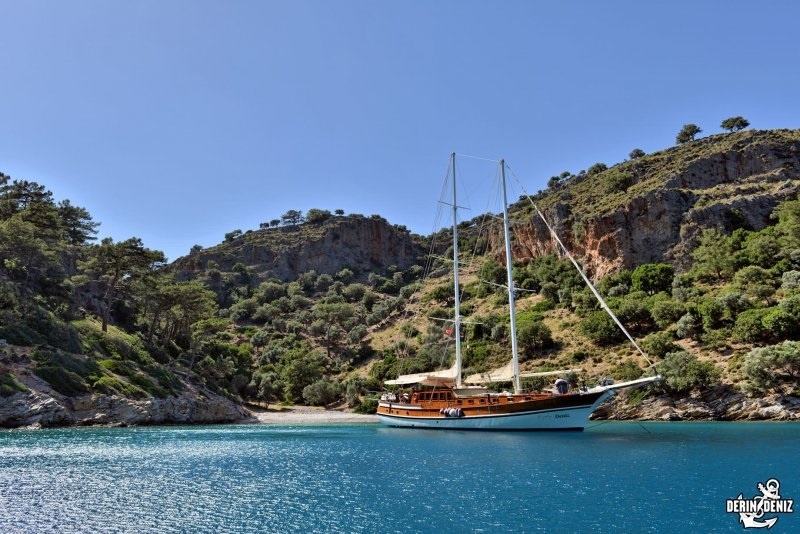
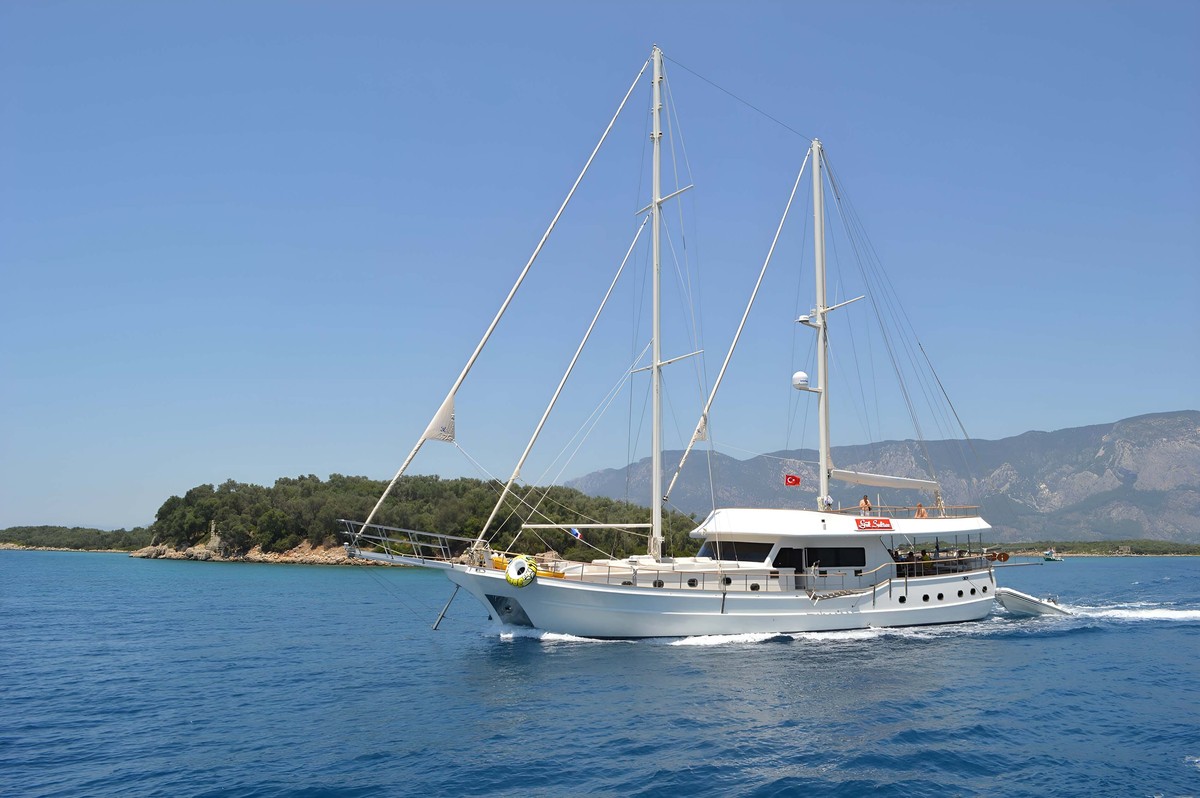
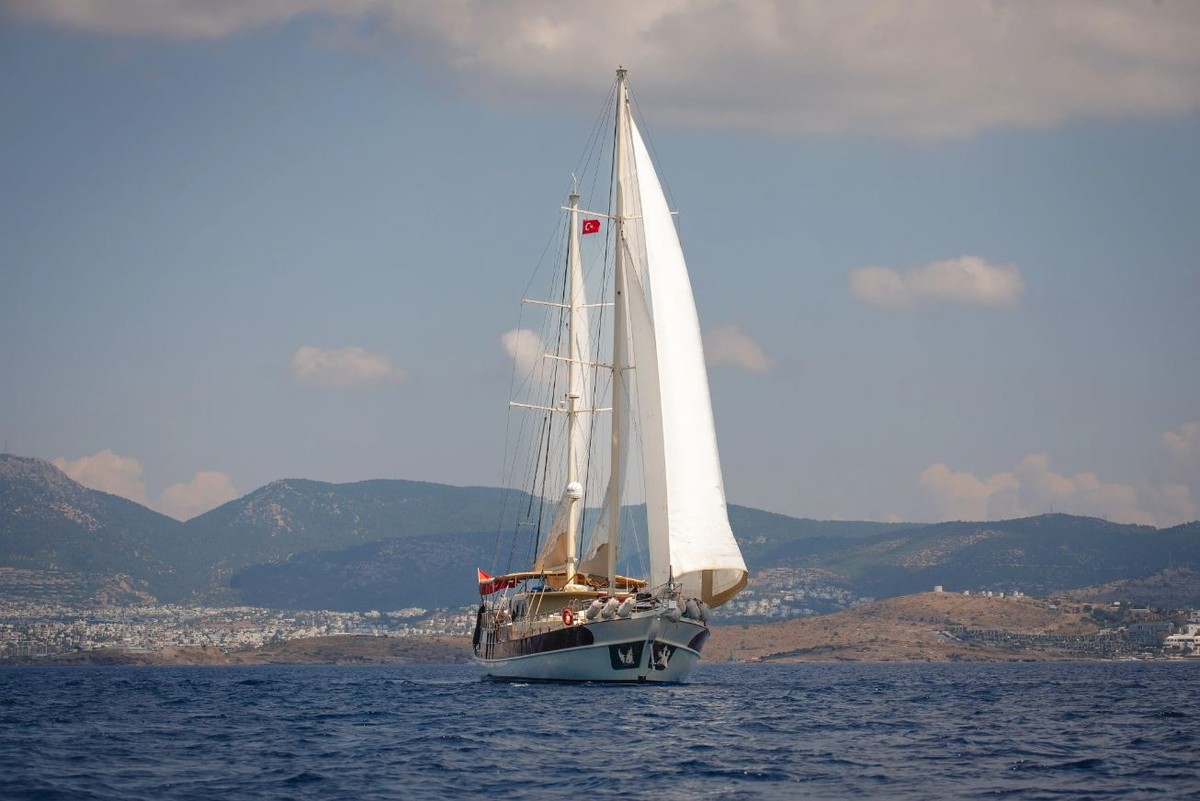
It depends on the yacht, and the honest answer is to ask for the crew list rather than trust a ratio. Most crewed yachts sleep six to twelve guests in en-suite cabins, with larger vessels taking sixteen or more, and the team grows roughly in step with how much interior there is to look after. Gulets are the one firm number we can give you. They carry five to seven crew against the six to twelve guests those boats usually sleep, and it is part of why gulet weeks feel unhurried.
Above twelve guests the crew list changes shape rather than simply getting longer. A second stewardess appears. A bosun sits over the deckhands, and on some yachts a dive instructor or a masseuse comes with the boat, while overnight passages bring a watch system into play so that somebody is awake on the bridge between Hvar and Vis while you sleep. None of this is standard. It is set by the owner, yacht by yacht, so ask before you shortlist.
What the crew handle, and what is not their job
The standard rate on a crewed yacht charter covers the yacht, its full crew and use of the yacht's water sports kit; meals cooked on board are inside the rate on many yachts and provisioned separately on others. Inside that, the chef provisions ashore and cooks to your preference sheet, the interior team keep cabins and laundry moving, and the deck team run the tender, the toys and the anchoring. Coffee at six for one guest and breakfast at eleven for another, on the same morning, is entirely normal. Nobody minds.
What crew do not do is worth saying plainly, because mismatched expectations cause most of the friction on board. They are not nannies, tour guides or a twenty-four-hour room service line. The captain's call on weather and anchorages overrides everyone, including the person paying for the week. That last one is a safety rule rather than a preference, and a captain willing to bend it is a captain worth avoiding.
- Childcare: crew keep an eye out for children, but they are not nannies and not lifeguards
- Guided touring ashore: the captain books a driver or a table, then hands the day back to you
- Round-the-clock service: crew work long days, and a quiet hour after lunch is normal and earned
- Sailing into weather: the captain can decline a passage, and that decision is not open to negotiation
- Your bar bill: drinks beyond the yacht's standard cellar are charged as an extra at the end
- Fuel, port and marina fees, VAT or local taxes and gratuities all sit outside the standard rate
Where the crew sleep, and how much privacy you get
Crew quarters sit in a separate part of the boat, usually forward in the bow or aft below the main deck, with their own companionway, bathrooms and a crew mess where the team eat and take an hour off. On most yachts you will never walk through it. Experienced crew keep to the working parts of the boat and stay out of the rest. Gulets are the honest exception — crew space is tight, the boat is one open sociable deck, and you will see the team far more often.
You get more privacy than the headcount suggests. Mornings on deck are usually yours. Service clusters around meals, departures and anchoring, then thins out for hours at a stretch. Say once, early in the week, that you would like the aft deck to yourselves after ten at night, and it will simply happen for the rest of the charter without being raised again. If you want seven days with nobody else present at all, no crewed boat will give you that, and you are better off looking at bareboat.
Whether having crew on board feels awkward
For the first few hours, mildly. Most groups settle somewhere around the second lunch. The awkwardness people brace for is hotel staff hovering, and what happens instead is closer to being hosted by a small team who have done this hundreds of times and take no interest in your conversations. Crew have worked far more demanding weeks than yours, and nobody below decks is keeping score of what gets said over dinner.
If the idea still bothers you in March, say so before you book rather than in July. A group that genuinely wants nobody else aboard should look at bareboat, where you sail the yacht yourselves and hold the qualifications to prove it, or a skippered charter, which adds a captain and nothing more. You give up the chef, the cabins made up daily and a tender driver on call. Plenty of experienced sailors take that trade without a second thought, and it costs less.
Preference sheets, gratuities and how booking works
Once a yacht is confirmed you are sent a preference sheet. It reads like an over-thorough hotel form, and it is worth the twenty minutes. Allergies and dietary requirements go here, along with the drinks you actually drink, bed configuration, birthdays, and whether this is a lie-in week or an eight o'clock swim week. The chef provisions against that sheet before you board, often in a market on the morning of embarkation. Vague answers produce vague menus. 'No shellfish, one vegetarian' is useful. 'We eat everything' is not.
Gratuities on a crewed yacht charter are customary and discretionary, worked out against the base charter fee and weighted by how hard the team worked rather than by what the yacht cost. They are paid once, at the end of the week, usually to the captain, who divides them among the crew. Ask us what is currently normal for the region you are sailing and set the budget with that in it, not on the last morning. Nobody on board will raise the subject with you.
The booking itself runs the same way in Greece, Croatia, Turkey or Italy. Send your dates, group size and rough region; a shortlist comes back within 24 hours; a deposit of typically 50% secures the yacht, with the balance usually due six to eight weeks before embarkation. Exact terms vary by yacht and owner and are set out in the charter agreement, so read it properly. July and August weeks go early, and the best crews go earliest of all.
Fully Crewed
Larger yachts and the crews that run them
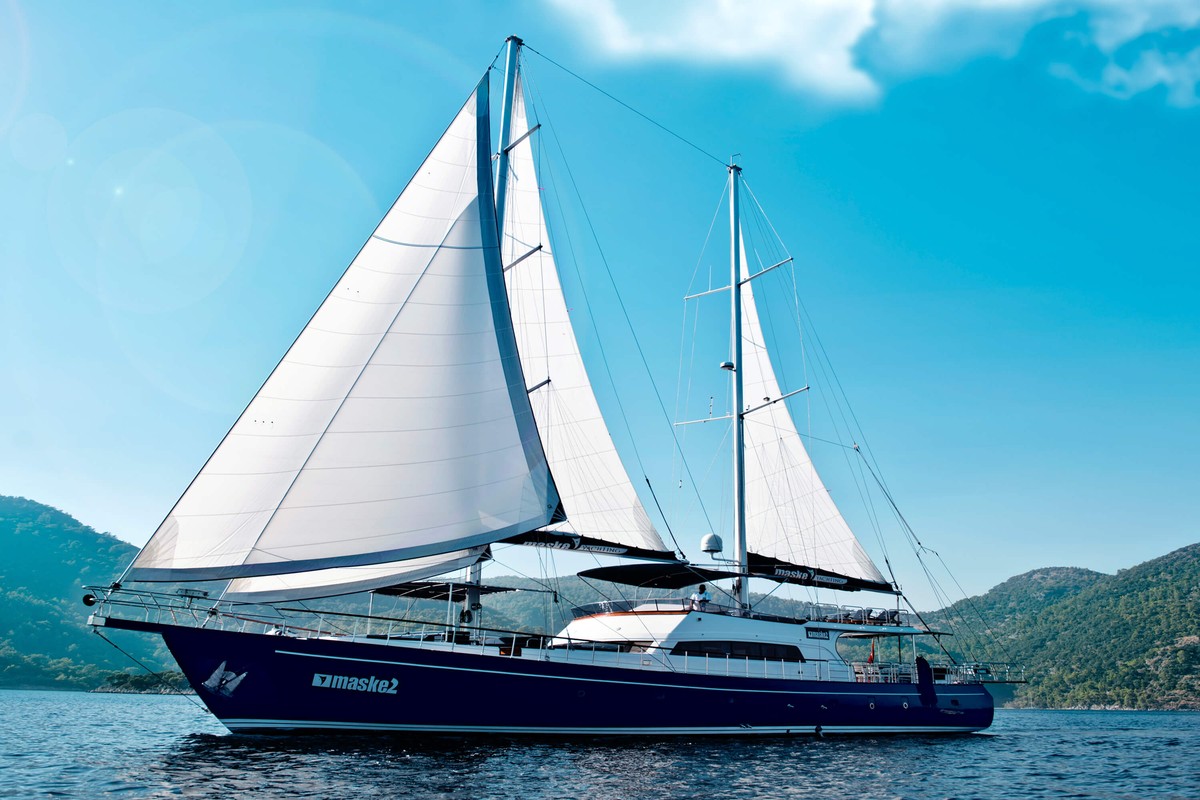
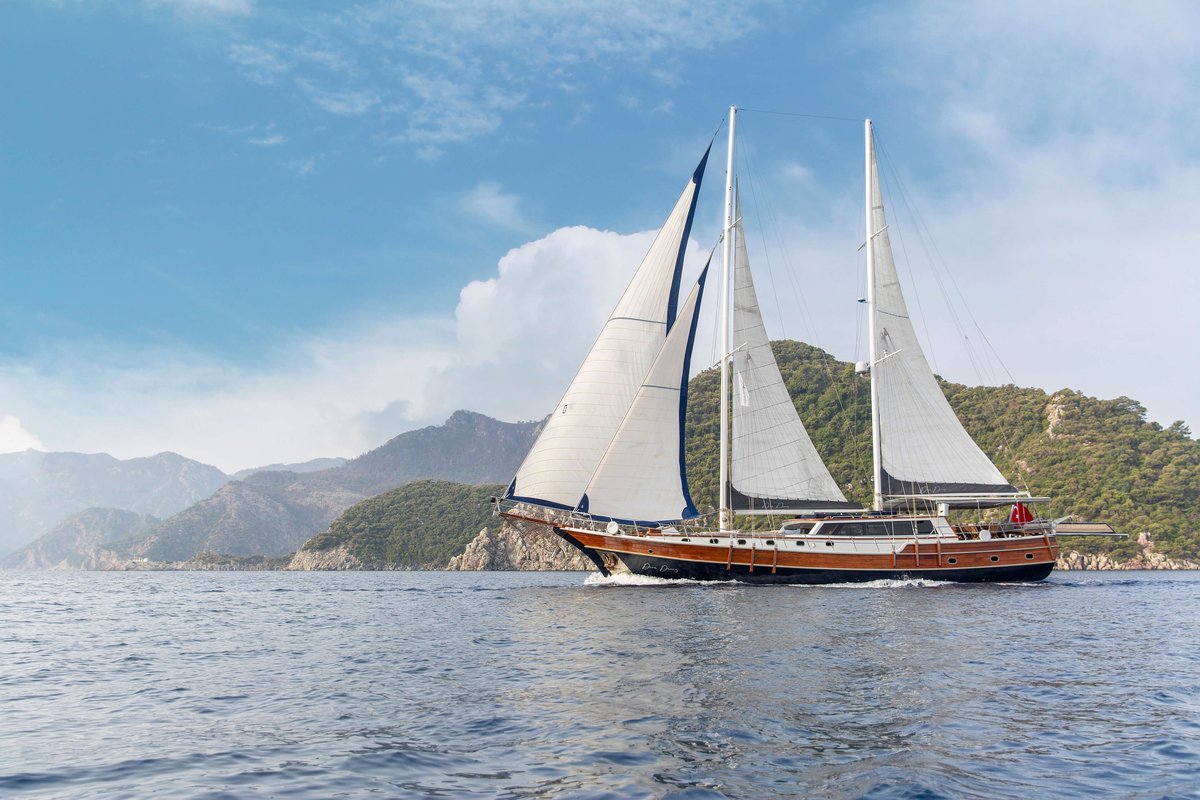
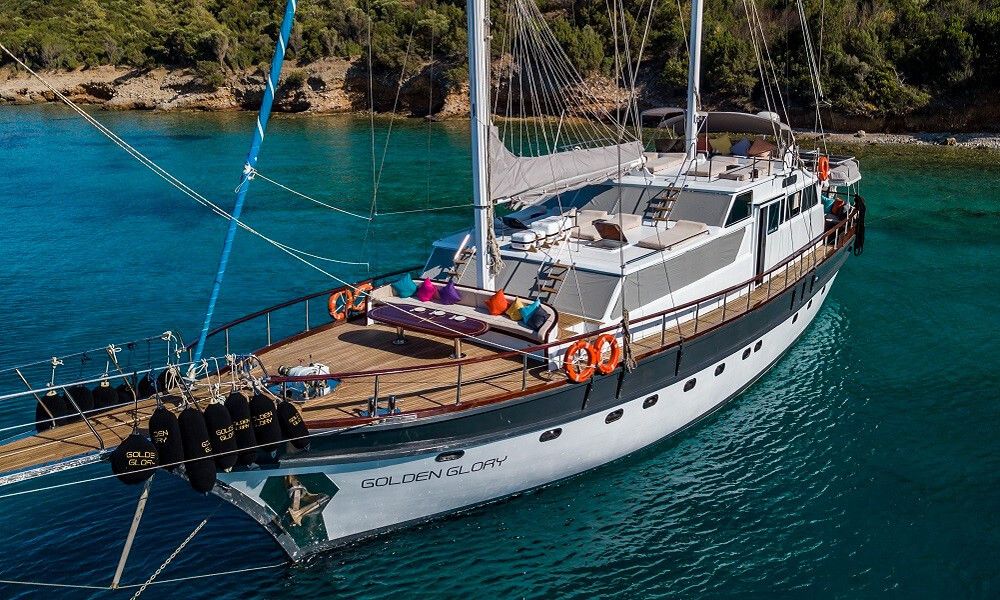
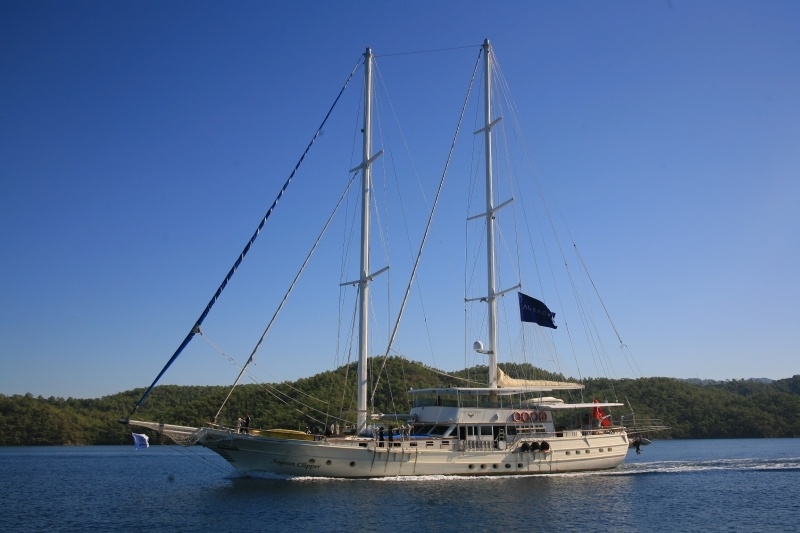
Every yacht here comes with a captain, chef and interior crew as standard. Crew numbers scale with the vessel, so the layouts below carry the fullest teams in our fleet.

FAQ
Frequently Asked Questions
What is included in a crewed yacht charter?
How many crew are on board a chartered yacht?
How much should you tip the crew?
Where does the crew sleep on a chartered yacht?
What is a preference sheet?
Start Planning
Get Your Charter Quote
Tell us about your dream charter and receive a bespoke proposal within 24 hours.