
What a Luxury Yacht Charter Actually Buys You
What changes between the two ends of the market
A luxury yacht charter is a set of specifics rather than a feeling: a yacht in genuinely good condition, a full crew, meals cooked aboard, cabins with room to dress in, and a tender that gets used every day. Rates in our regions typically run from around €10,000 a week, with most guests between €15,000 and €60,000. Above that sits ultra-luxury. This page is for people already comfortable somewhere in that band who want to know what the extra money changes. If you are still weighing crewed against bareboat, or holding firmly to the bottom of the range, the cost guide will serve you better than this page will.
What separates a luxury yacht charter from a standard crewed week
Three things move a week from comfortable to luxurious, and none of them is length overall. The first is the condition of the yacht: teak that has been kept, upholstery without salt bloom, air conditioning that runs quietly all night. The second is the galley. Meals sit inside the standard rate on many yachts and are provisioned separately on others, so the real difference is provisioning, and a chef who takes your brief before you board and shops to it will feed you better than one repeating a fixed weekly menu. The third is the kit that actually leaves the deck: a tender with enough engine to matter, boards, and toys that have been serviced this season.
None of that is guaranteed by the rate alone. A tired yacht inside the €15,000 to €60,000 band exists, and you will find it if you shortlist on photographs. Ask when the yacht was last refitted and what the refit covered. Ask whether the air conditioning has been serviced this season. Ask how long the current crew have been aboard together. Those questions have short factual answers, and a broker who has been aboard the boat will have them to hand.
What €60,000 buys that €20,000 does not
The bands themselves are set out in full on our yacht rental page, so treat what follows as the comparison rather than the price list. Put two shortlist entries beside each other, both indicative and both varying by yacht and season, and the gap stops being abstract.
At roughly €20,000 to €25,000 you are usually looking at a well-kept gulet in Greece or Turkey with a crew of five to seven, four or five matched double cabins below deck, and a refit a few seasons back that tidied the interior without touching much else. It is a good holiday. The deck is wide, the food is cooked aboard, and the boat moves one bay at a time. At roughly €55,000 to €60,000 the same enquiry comes back with a yacht that has been through the yard recently and shows it: quieter generators, air conditioning that holds through a still August night, a main-deck master cabin with its own access alongside the doubles below, and the same crew headcount looking after fewer guests.
The tender is where the difference shows first. At the lower end it is a dinghy that carries four in flat water and turns dinner ashore into two trips. At the upper end it carries eight into a chop at nine in the evening, tows a wakeboard properly, and means the yacht can anchor off a bay rather than paying for a berth in the middle of it. That is not a small upgrade. It changes where you can sleep.
- Refit: a cosmetic freshen a few seasons back, against a recent yard period that covered engineering as well as interior
- Crew: five to seven aboard a gulet at either end, but at the top of the range that headcount is looking after fewer guests
- Tender: a dinghy rated for four in flat water, against one that carries eight into a chop after dark
- Cabin plan: four or five matched doubles below, against a main-deck master with its own access plus doubles below
- Systems: air conditioning and generators you notice at three in the morning, against ones you sleep straight through
- Both figures indicative: the same yacht prices differently in June and August, and terms vary by yacht and owner
How much space will ten guests really have on board?
Guest numbers alone are a poor measure of what a luxury yacht charter gives you. A yacht sleeping ten in en-suite cabins can feel generous or tight depending on beam and how the deck is divided. Gulets and catamarans are wide, which buys flat shaded deck and cabins with floor space beside the bed rather than a berth you climb into. Motor yachts give up some of that width for speed and range. Most crewed yachts sleep six to twelve guests in en-suite cabins, and larger vessels reach sixteen and above.
Ask for the beam figure and the cabin plan before you shortlist anything. A master cabin on the main deck with its own access is a different holiday from four matched doubles below. If two couples are splitting the bill equally, matched cabins matter more than one grand suite, and saying so early changes what comes back. Groups of four on a twelve-guest yacht pay for volume they will never use. A smaller yacht usually spends that money better.
What should I check on a luxury yacht charter specification?
Water toys are the cheapest honest signal of how a yacht is kept, because they cost the owner money to maintain and nobody maintains what nobody uses. The tender matters most: it is your ride to lunch ashore, your tow for the wakeboard, and your way off the yacht when the weather turns. The standard water sports kit is included in the rate. Fuel for the tender and jet skis usually is not, which surprises people in their first week.
- Tender size and engine: a small dinghy limits you to short hops in calm water
- Whether fuel for the jet skis and tender sits inside the rate or is billed separately
- Seabobs, paddleboards and a towable: cheap to list, telling when they are genuinely serviced
- Shaded deck seating for everyone aboard, not four sunbeds and one fought-over corner
- Air conditioning rated to run overnight, and a generator quiet enough to sleep through
- A swim platform or passerelle, which matters more with children or older guests aboard
Which signals of luxury are worth ignoring?
Length overall is the weakest proxy in the market. A long yacht that is thinly staffed and overdue a refit will serve you worse than a well-run gulet with its crew of five to seven. Home berth is the second false signal: it tells you where the yacht winters, not how it runs in August. A long features list, fresh paint and a big brochure number predict nothing about whether dinner reaches the deck at the hour you asked for.
Brochure awards are the third. Charter marketing carries a lot of them, they are usually decided long before the season you are booking, and none of them describes the crew currently aboard. The fourth is subtler and worth more attention. Some yachts sit in a charter fleet and work most of the season; others are an owner's own boat, chartered out for part of the year. Owner's boats are often kept to a higher standard, because the owner sleeps in that cabin in September. They also come with tighter dates, occasional withdrawals when plans change, and sometimes a fussier list of house rules. A fleet boat is more predictable and easier to hold, and by August it has had a hard season. Neither is the better answer on its own. Ask which one you are being offered, then ask when it last came out of the water.
Where does more budget stop buying more holiday?
Somewhere above €60,000 a week the differences start to narrow. The crew is already attentive, the cabins are already large, and each further step costs a great deal for a marginal gain: a faster tender, another deck, a second sitting area you will use twice. Past that point the variables that decide your week are not on the specification sheet at all. They are the itinerary, the month, and how well the captain knows the coast you have chosen.
That is where the money goes further. The same yacht around Mykonos in mid-August costs more and gives you less than it does in mid-September, once the meltemi has eased and the anchorages have thinned. Same crew, same cabins, same chef, and a different week. If your dates are locked to August because of school terms or work, put the budget into the yacht instead of the itinerary, and accept that you will be sharing the good bays.
The Top of the Fleet
Luxury yachts available this season
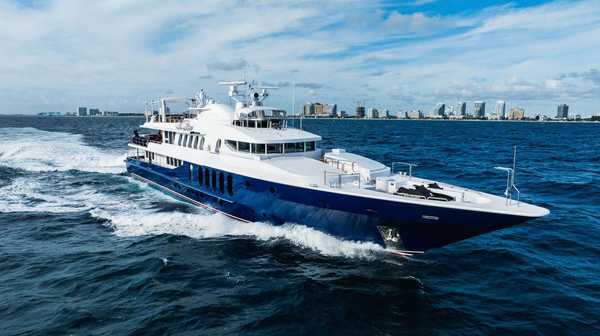
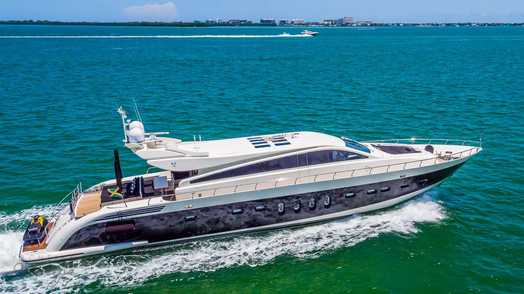
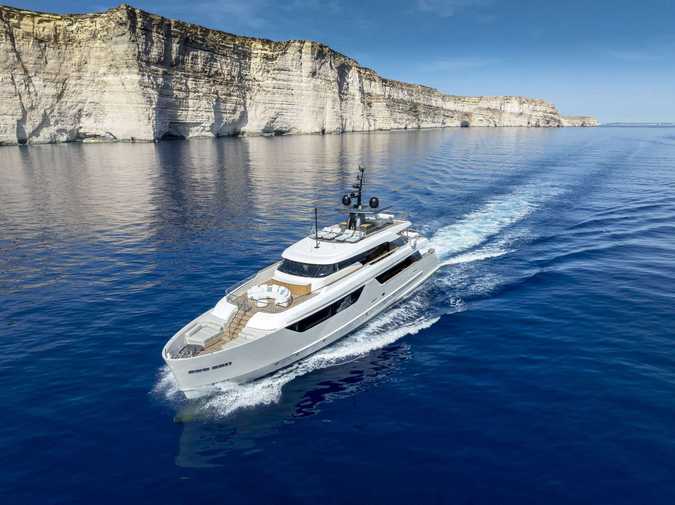
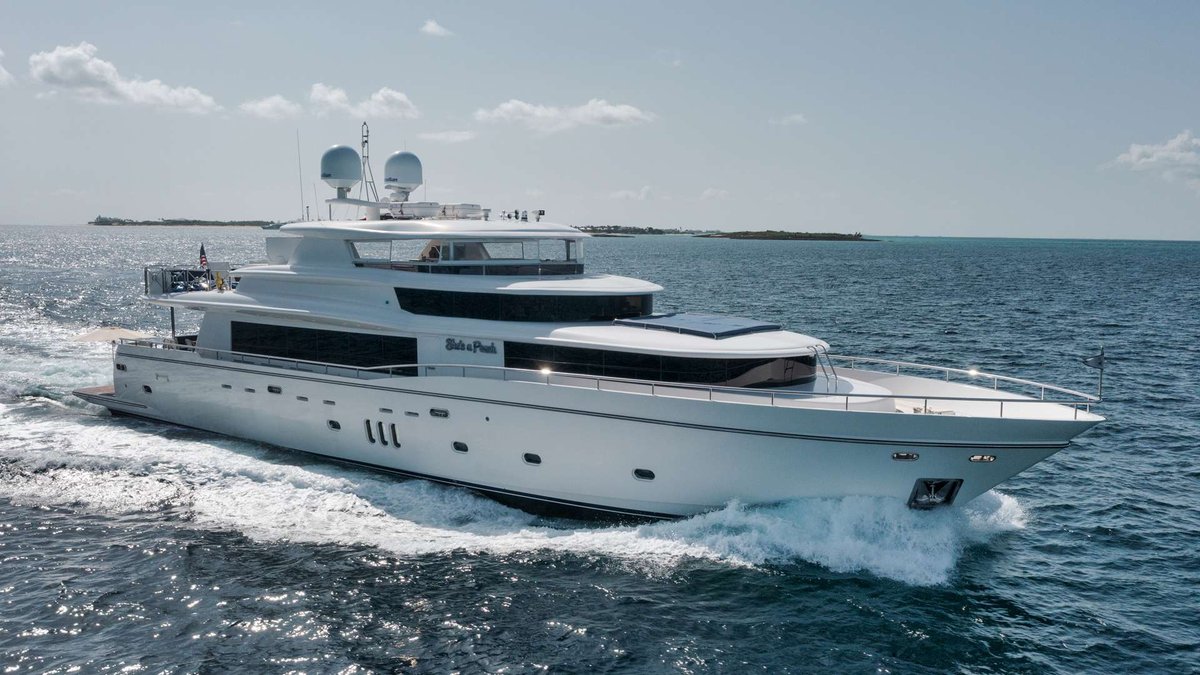
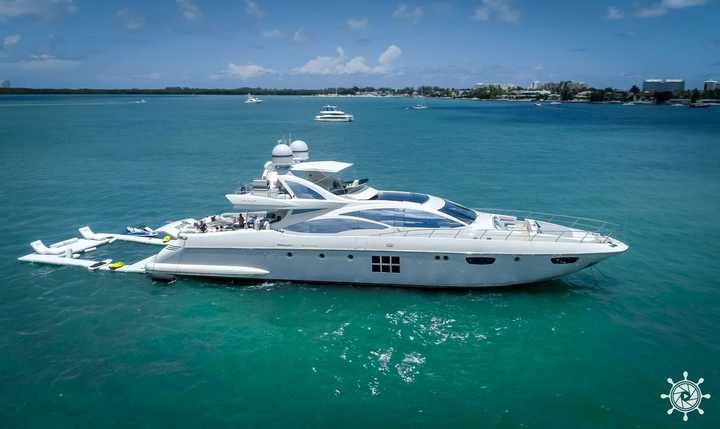
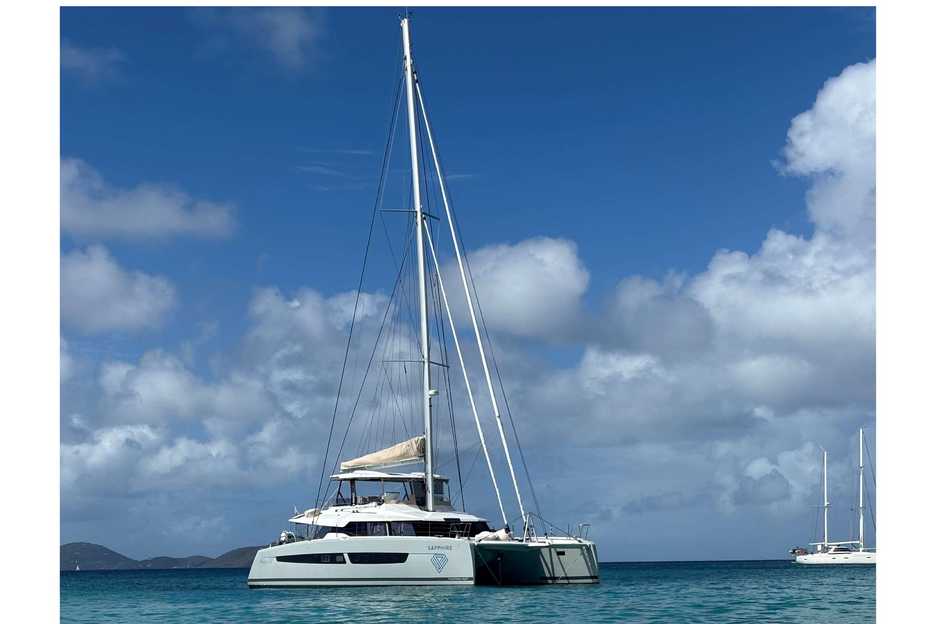
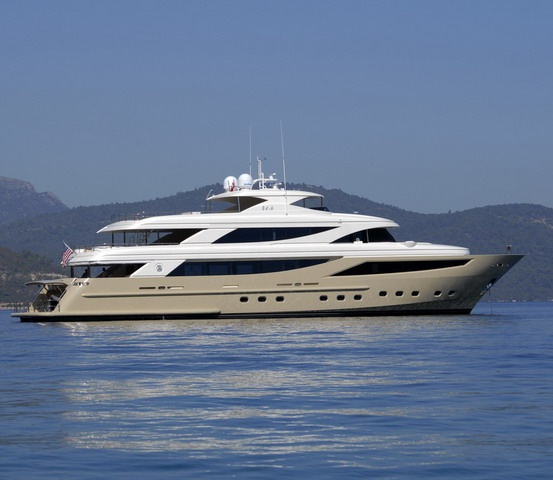
The upper end of our fleet — larger yachts, deeper crew rosters and the tender and toy inventories that come with them. Weekly rates are indicative and move with the season.

FAQ
Frequently Asked Questions
How do I read a yacht's refit history?
How long should a crew have been aboard together?
What does ultra-luxury add above €60,000 a week?
Do more expensive yachts always make a better luxury yacht charter?
How does booking work, and when is payment due?
Start Planning
Get Your Charter Quote
Tell us about your dream charter and receive a bespoke proposal within 24 hours.