
What Yacht Holidays Are Actually Like, Day by Day
Morning swim, afternoon anchorage, dinner ashore
Yacht holidays get sold as a mood rather than a week with a shape to it, which makes them hard to weigh against a villa in Corfu or a resort near Split. This page is the hour-by-hour version. It is written for families and couples travelling as a group who are working out whether a crewed week afloat beats the alternative on land, and the trade-offs are left in. If you have a toddler at the running stage, someone who needs a gym every morning, or a group that wants a different bar every night, a villa will serve you better. If the appeal is a new bay most mornings and no packing after day one, keep reading.
What does a day on board actually look like?
Mornings start quietly. Someone is usually up at seven, on deck with coffee, watching the bay before anyone else surfaces. Breakfast runs long on the aft deck: eggs, fruit, bread from the village bakery if the crew went ashore at dawn. By ten the anchor is up. You motor or sail for two or three hours, and the group spreads out between the foredeck cushions, the shade of the awning and the wheelhouse, where most captains will happily let a nine-year-old hold the wheel for a while.
Lunch is at anchor, and the swim stop before it is the part people remember. The passerelle goes down, the paddleboards come out, and the afternoon disappears. Around five or six you move to the night's anchorage or tie up in a harbour. Showers, then dinner: aboard around eight, or ashore in a taverna if the village is worth the walk. Nobody dresses up much. Most people are asleep by eleven, which surprises them. That rhythm is what separates yacht holidays from a hotel week.
- 07:30 coffee on deck, the bay to yourself, crew already back from the village bakery
- 09:00 breakfast on the aft deck, then the anchor comes up for the first leg
- 11:00 two to four hours under way, usually with a swim stop written into the route
- 13:00 lunch at anchor, then paddleboards, snorkels and the part of the day nobody rushes
- 17:30 into the night's anchorage or a harbour berth, showers, a drink on deck
- 20:00 dinner aboard or ashore in the village, and most guests are asleep by eleven
How much of the week is spent under way, and how much at anchor?
The sailing is lighter than most people expect. Plan on two to four hours under way on a moving day, and two days where you barely move at all because the bay is good and nobody wants to leave. Over a Saturday to Saturday week that might total 15 to 20 hours actually travelling. The rest is at anchor, alongside in a harbour, or ashore for a few hours in the afternoon.
Routes are built around that. A Greek week out of Athens might cover Kea, Kythnos and Serifos without a single long crossing, and a Croatian week from Split rarely needs more than three hours between islands. Your captain will move things around for wind and swell, which is why the itinerary you agree in April is a sketch rather than a schedule. If the group wants more distance covered, say so early. It changes which yacht suits you, and it changes the fuel line on the final bill.
Who suits a week afloat, and who is better off in a villa?
The guests who come back every year want the same three things: a different view each morning, no cooking, and no negotiating over the car. Crewed yacht holidays deliver all three by design. Groups of six to twelve who genuinely like each other do best, because you are sharing a saloon and a swim platform for a week rather than a five-bedroom house with doors that close. Larger vessels take 16 or more, though the group dynamic changes with the numbers.
Now the other side of it. Anyone prone to sea sickness will have two uncomfortable mornings even on a calm week, and the Aegean meltemi in July and August is real wind. Toddlers who have just learned to run turn deck safety into a full-time job. There is no gym, no spa treatment at four, and no walking to a different bar every night. In most bays, the evening entertainment is whichever taverna sits nearest the jetty, and that is genuinely the whole of it.
- Anyone who suffers badly from sea sickness, even with tablets and a steady catamaran or gulet
- Families with a toddler at the running stage, where deck safety becomes a full-time job
- Guests who need a proper gym, a spa or a daily routine that does not move
- Groups who want nightlife every night rather than one taverna and a walk up the hill
- Very large parties, where the villa arithmetic starts to beat the yacht arithmetic
Does it work with young children, and what will the crew actually do?
Sea legs come first. Most children find their balance by the second morning, and the two before that are the ones to plan around: shorter legs, an early swim stop, nobody reading below deck while the yacht is moving. From about six, once a child swims confidently and can cross a deck without a hand held, a crewed week starts working the way parents hope it will. Under six it is still possible, particularly on a gulet with wide side decks and shallow steps, but it is a different holiday and one adult is on watch the whole time.
Three things are worth settling before you sign anything. Whether safety netting can be rigged along the guardrails for the week, which most gulets and catamarans manage given notice and some yachts cannot do at all. Whether lifejackets are carried in your children's sizes, because a jacket sized for an adult is worse than no jacket, and many yachts stock a general child size rather than an infant one, so bring your own if the fit looks marginal. And what the crew will actually do. In practice they will feed a six-year-old at half past five rather than eight, run the tender to a beach so a child can dig something, and keep half an eye on the deck while they work.
They are not childminders, and it helps to say that out loud early. Nobody is going to sit with a sleeping child in a cabin while the adults eat ashore, and a crew will not take sole charge of a child in the water. Where exactly the line falls varies by yacht and by crew, so agree it during the shortlist stage rather than discovering it on the first evening.
How does a week aboard compare with a villa on cost?
Most crewed weeks sit in the €15,000 to €60,000 band, and how that rate is put together, plus what falls outside it, is set out on our <a href="/yacht-rental/">yacht rental</a> page. Figures are indicative and vary by yacht, season and route.
Against a comparable villa the gap narrows, though it rarely closes, and a yacht usually still costs more per head. Take the €20,000 to €45,000 Greek gulet band across ten adults: roughly €2,000 to €4,500 each before flights. Then price the land version honestly. A ten-sleeper with a pool in August, two hire cars for the week, fuel and parking, a cook for three of the days and dinner out on the other four lands closer than most people guess, and every meal aboard is already inside the charter rate, so there is no half-board arithmetic to do afterwards. The villa wins on space, on a garden a two-year-old can be turned loose in, and on the freedom to go nowhere for three days without anyone raising an anchor. The yacht wins on crew, five to seven of them aboard a gulet, and on waking up somewhere different. Pick the one whose drawbacks you mind less.
How do you book, and how does the Saturday changeover work?
Most Mediterranean charters run Saturday to Saturday. Boarding and disembarkation times are set out in the charter agreement and vary by yacht, so confirm them before you book flights, because the last morning tends to be an early one. Athens, Split, Dubrovnik and Bodrum all take direct UK flights through the summer, and airport transfers to the marina are usually short. A hotel night at either end takes the pressure off, particularly with young children in the group or a late arrival on the Friday.
The booking sequence is the same every time. Send your dates, group size and region, and a curated shortlist comes back within 24 hours. A deposit of typically 50% secures the yacht, and the balance is usually due six to eight weeks before embarkation. Exact terms vary by yacht and owner, and they are set out in the charter agreement rather than anywhere else. Weeks fixed by school holidays are the ones that go first, so if your dates cannot move, start the conversation in the autumn before rather than the spring of.
A Week Aboard
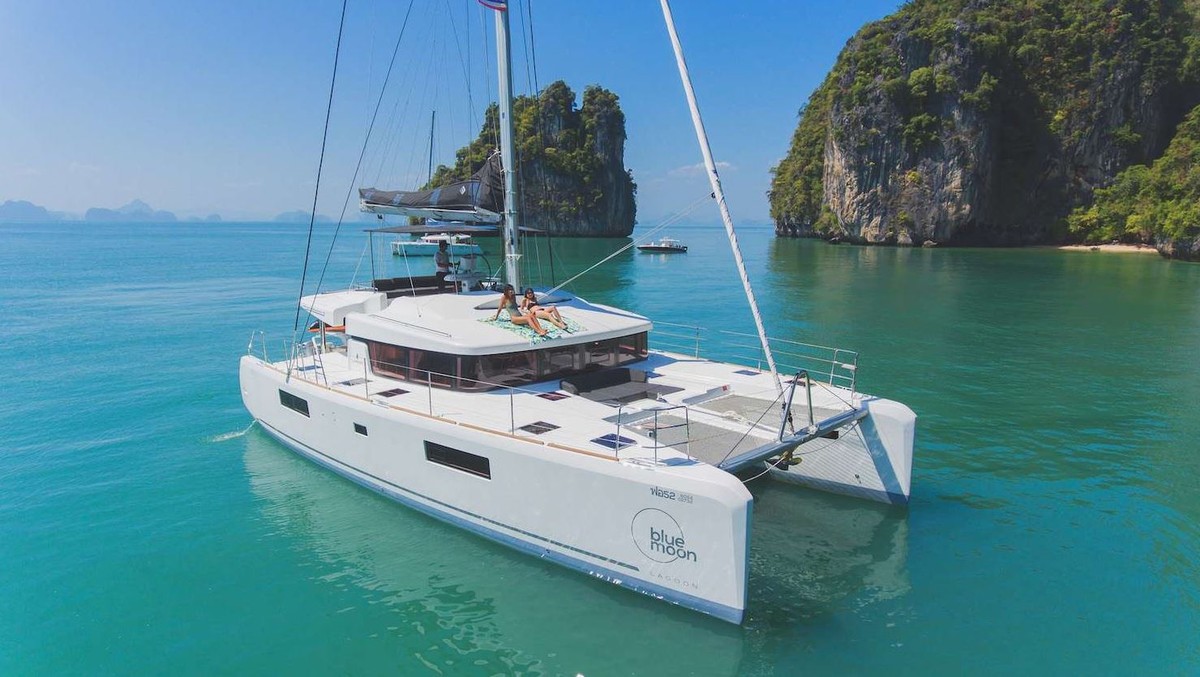
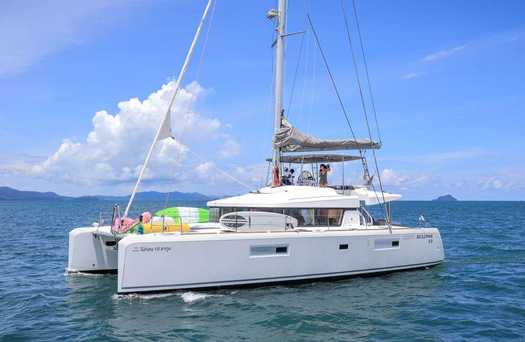
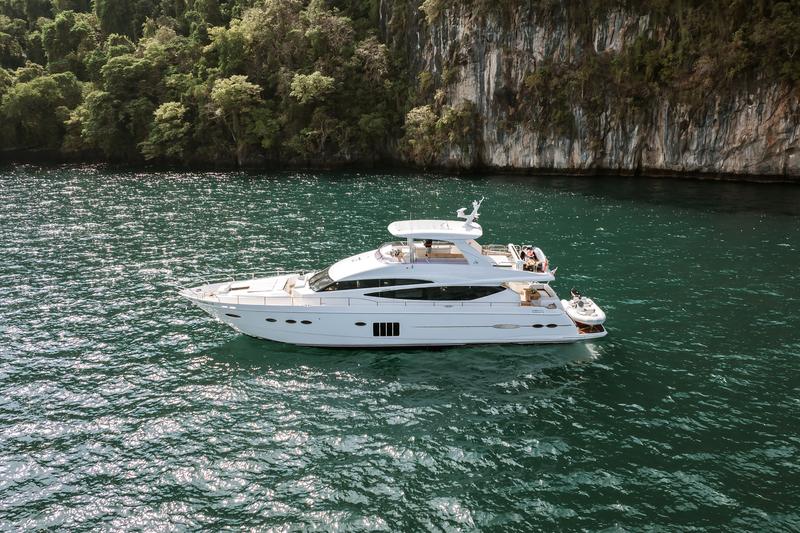
Four- and five-cabin yachts for a family week
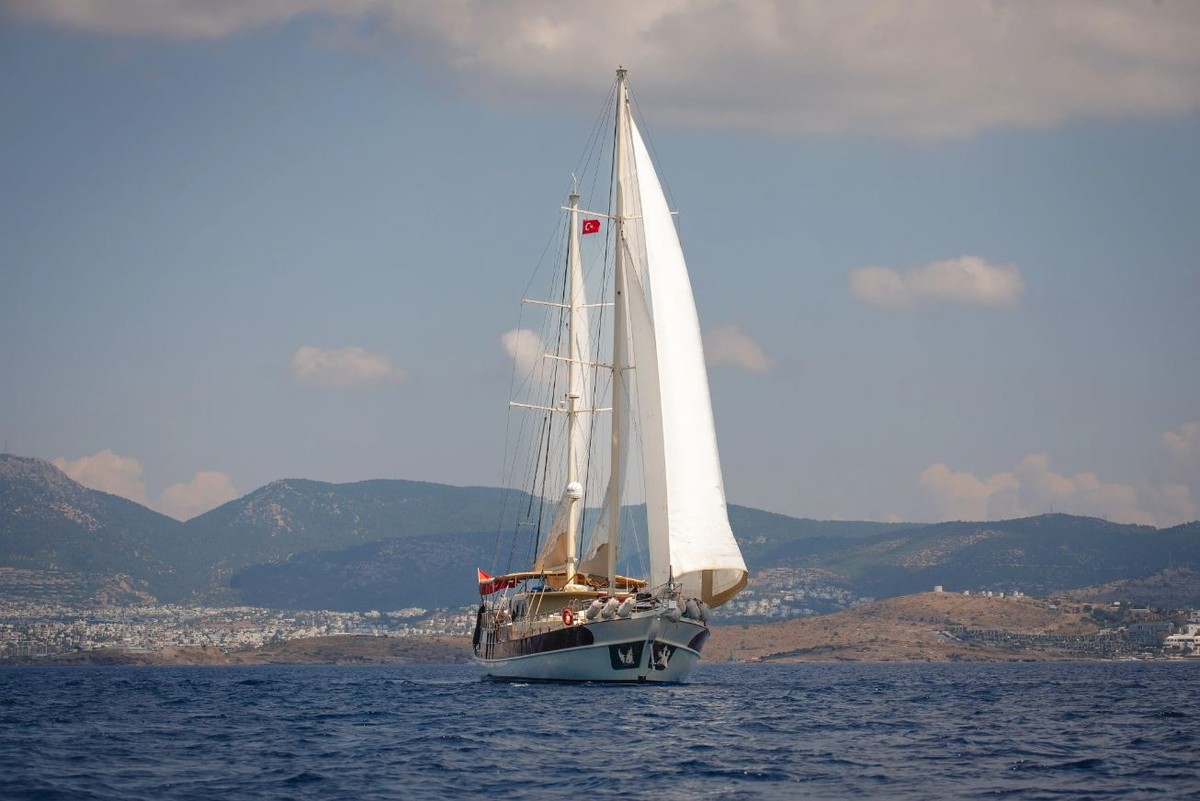
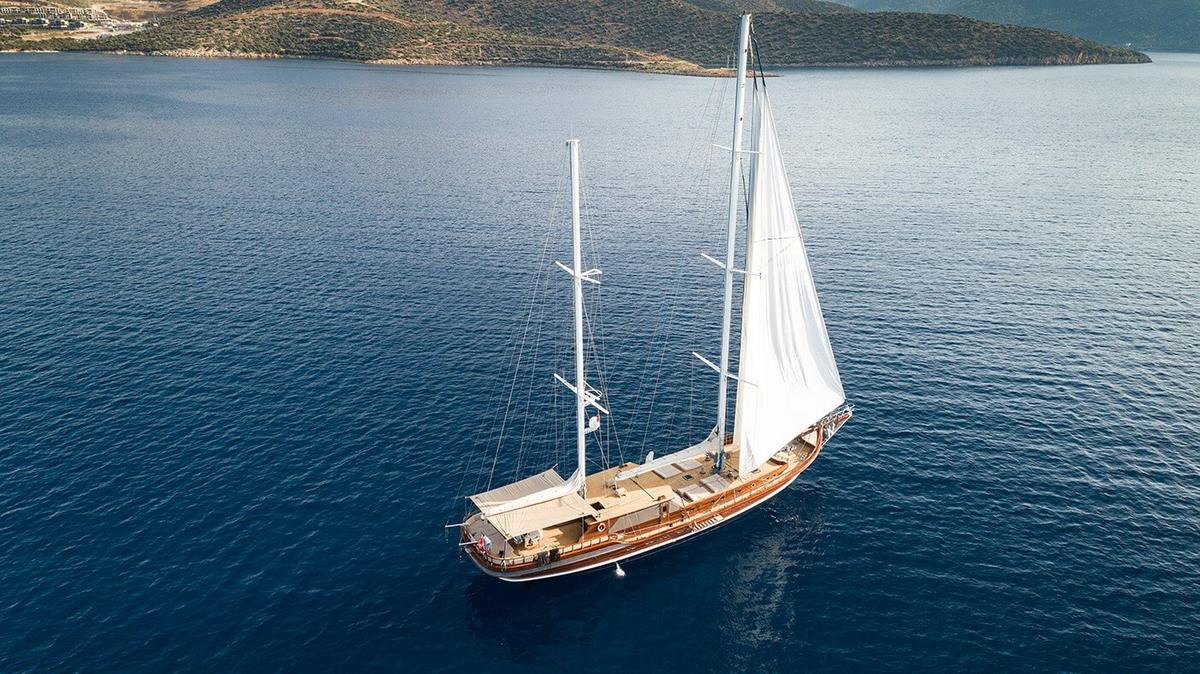
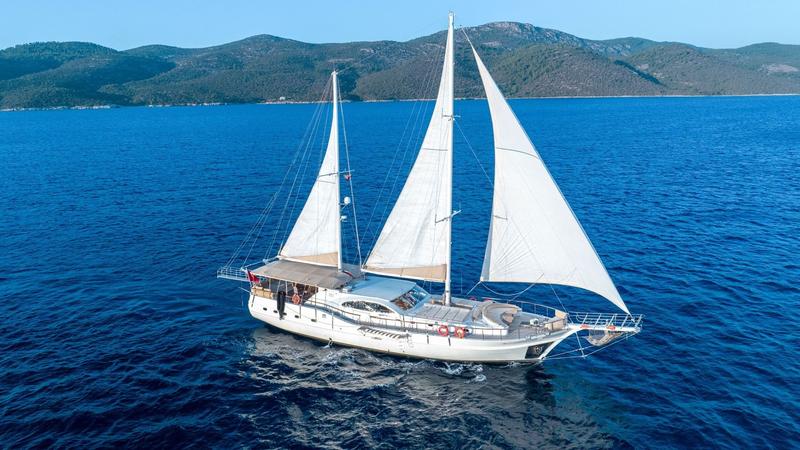
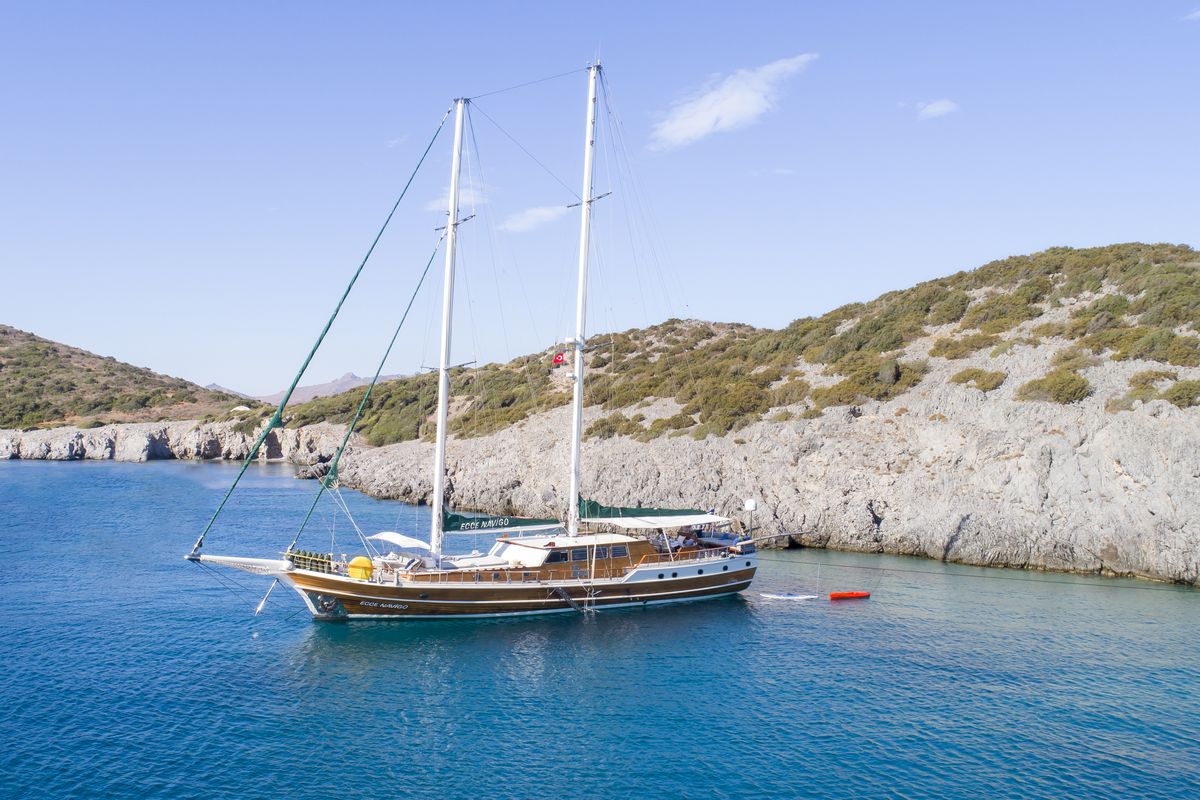
The layouts that suit two families or a group of friends — enough cabins to spread out, small enough to keep the week easy to fill.

FAQ
Frequently Asked Questions
Will I get sea sick on a yacht holiday?
What age do children need to be for a crewed charter to work?
How many hours a day do you actually spend sailing?
Is a yacht more expensive than a villa holiday?
Can you charter a yacht over October half term?
Start Planning
Get Your Charter Quote
Tell us about your dream charter and receive a bespoke proposal within 24 hours.