
What a Yacht Rental Actually Costs
Weekly rates, day rates, extras, and how to compare two quotes
Most people searching for a yacht rental want the number first, so here it is. A crewed yacht in the Mediterranean typically starts around €10,000 per week, and most groups land somewhere in the €15,000–€60,000 band, shared between six and twelve guests. That covers the whole yacht and its crew, with meals aboard inside the rate on many yachts and provisioned separately on others, and it is not a per-person fare. Every figure here is an indicative band, never a quote; real prices move with the yacht, the season and the week you pick. This page is for anyone pricing a trip for the first time and translating the vocabulary as they go. It is not for readers who already know how charter contracts work, and it is not a holiday-planning narrative. Numbers and mechanics, in that order.
Is a yacht rental the same as a yacht charter?
They are the same product under two words. Rental is the everyday term, and it is what most people type into a search box; charter is the word used by brokers, owners, insurers and every contract you will sign, so it is worth getting used to before you start reading quotes. Nothing about the boat, the crew or the price changes with the vocabulary. The distinction that does cost money is crewed against bareboat, and our boat charter guide sets that comparison out properly. Everything on this page assumes a crewed yacht: captain, crew, chef, and a route agreed with you each morning.
Day rates, weekly rates, and where the bands sit
Yacht rental priced by the day exists at the small end of the market: a skippered day boat, or a catamaran out of a busy port for six hours. Crewed yachts with cabins, a chef and a captain are sold by the week. Crew rotations, provisioning, marina bookings and turnaround cleaning all run on a weekly cycle, and a single night costs an owner almost as much to service as seven. If what you want is one day afloat, a crewed week is the wrong product. Hire locally instead.
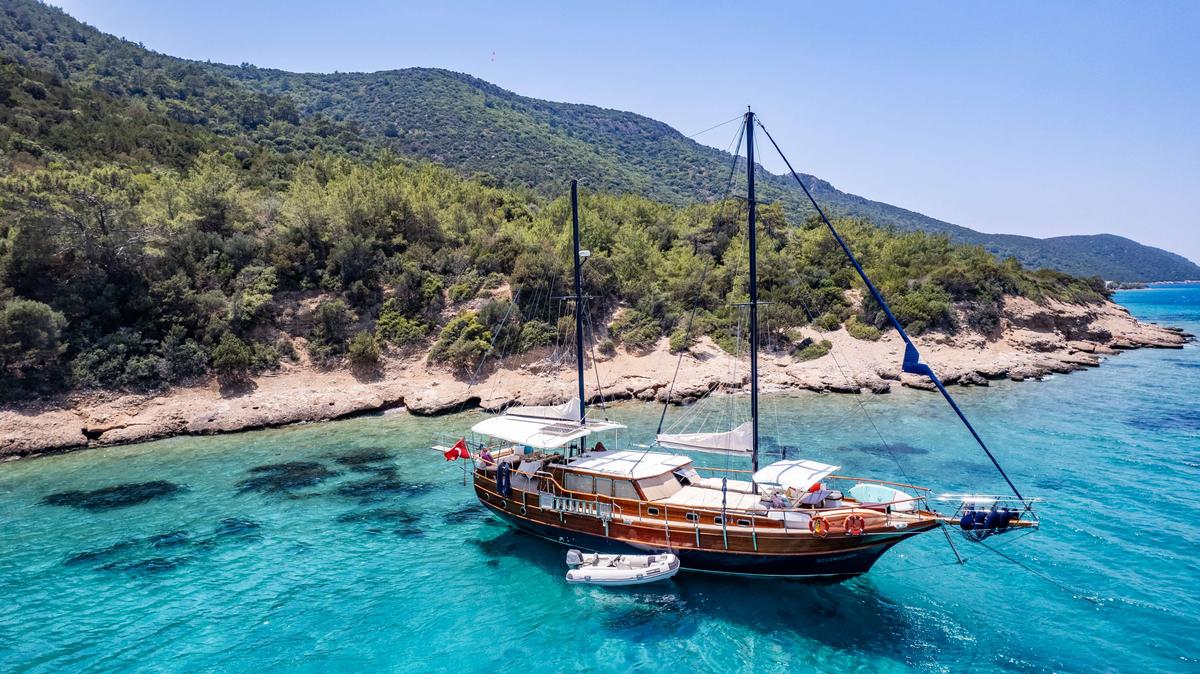
The week being the unit, it helps to know where the bands sit. Crewed charters typically start around €10,000 per week for a smaller yacht outside high summer. Most groups end up between €15,000 and €60,000, a wide band because it stretches from a modest gulet to a large motor yacht with a full interior crew. Above that figure sits ultra-luxury, with bigger vessels and longer crew lists. A Greek islands gulet week typically runs €20,000–€45,000, depending on the boat's age, its cabin count and the month you take it. All of those are indicative and move with the yacht and the season.
A day rate, then, is something you calculate rather than something you are quoted. Take a €21,000 week, comfortably inside the common band: €3,000 a day for the whole yacht. Eight guests aboard works out at €375 per person per night, crew included, and meals too where the yacht includes them. A €35,000 week across ten guests sits nearer €500. Those are arithmetic examples rather than offers, and the real number depends on the yacht, the region and how far ahead you book.
What the weekly rate covers, and what it doesn't
The rate covers the yacht, its full crew and use of the yacht's water sports equipment. Meals prepared aboard by your chef are inside the rate on many yachts and outside it on others, where provisioning is billed separately or drawn from an APA. Paddleboards and snorkelling kit are already paid for, which quietly removes a line from the holiday budget most people forget to write down. What sits outside the rate is where two similar-looking quotes separate. Ask each yacht for its own inclusion list before you compare, because one rate may carry fuel and port fees and the other may not.
How much the extras add depends entirely on the route. A motor yacht crossing between islands every day burns fuel; a gulet drifting between two bays in the Gökova gulf barely touches it. A percentage quoted before the route is settled is a guess, so treat the extras as a range you test against your own itinerary rather than a fixed uplift on the fee.
- Fuel: metered on motor yachts, and the single biggest variable if you cruise long distances
- Port and marina fees: highest in July and August on the busiest Greek and Croatian routes
- VAT and local taxes: the rate depends on whose waters you cruise, so it varies by country
- Drinks beyond the yacht's standard cellar: premium wines, spirits and special requests are billed separately
- Crew gratuities: discretionary, settled at the end of the week rather than built into the rate
Yacht rental deposits: when you pay, and how much upfront
Send your dates, group size and region, and a shortlist comes back within 24 hours. Once you choose a yacht, a deposit of typically 50% of the charter fee is what takes it off the market; the balance usually falls due six to eight weeks before embarkation. Exact percentages, dates and cancellation terms vary by yacht and owner, and they are set out in the charter agreement rather than in any brochure. Read that schedule before you transfer anything.
Peak weeks behave differently from the rest of the calendar. July and August on the better yachts are committed months ahead, so a late enquiry for mid-August usually means choosing from what is left rather than from what you wanted. If your dates are fixed to school holidays, enquire early. If they are flexible, the timing matters much less.
What actually brings the price down
There are four reliable ways to spend less, and they stack. Move out of high summer. Take a smaller yacht. Cruise Turkish waters rather than the busiest Italian and Greek marinas. Pick sail over motor. Pull two of those levers and the same week can drop a whole band; pull all four and the gap stops being marginal. None of them removes the crew, the chef or the quiet bay, which is presumably the point of the trip in the first place.
What does not work is waiting for an August discount. Peak weeks on good yachts go months ahead, and the boats still free in late July are often free for a reason. Offers do appear, usually for early bookings or for a gap between two confirmed charters, and they are worth asking about. But the savings that hold up come from changing the month, the country or the type of hull. Negotiation rarely gets you there.
- Shoulder months: June and late September balance warm water against high-summer prices and crowded anchorages
- Turkey over Italy: origin of the Blue Cruise, and still the best value in the Mediterranean
- Sailing yacht instead of motor yacht: lower weekly rate, much lower fuel bill, slower days
- A smaller yacht for the same group: four cabins rather than six, still eight guests aboard
- Catamaran rather than a motor yacht of similar length: more deck and cabin space per euro
- Flexible dates: offer a fortnight rather than one fixed week and let availability set the price
How to compare two yacht rental quotes side by side
Two quotes for the same week rarely describe the same holiday. Take two gulets in Turkey, both sleeping eight, both for the first week of June: one at €30,000, the other at €26,000. The cheaper one looks like an easy decision until you read the inclusion lists. Quote A covers the yacht, the full crew, all meals aboard, the water sports kit, and fuel and port fees for a stated cruising range. Quote B covers the yacht, the crew and the meals, then lists fuel, port and marina fees, VAT and drinks beyond the standard cellar as extras settled at the end of the week. The €4,000 gap is not a saving. It is a difference in what has been counted.
So put both lists in the same order and fill the blanks before you choose. Ask the yacht that excludes fuel what a comparable week on the same route has actually cost previous guests; the captain knows, because he signs the dockets. Ask whether the port fees assume marina nights or anchoring, since a week of town quays in Croatia in August is a different number from a week at anchor off the islands. Ask which country's VAT applies to the waters you plan to cruise, and whether the quoted figure already includes it. Three questions, and two numbers that were not comparable become comparable.
One practical point catches first-timers. The base port is where your week begins and usually ends, so book flights to it rather than to the prettiest island on the route, and ask early whether a different start point triggers a relocation charge. Embarkation is normally in the afternoon and disembarkation after breakfast, though the yacht's own terms decide that. Arriving the night before costs one hotel night and removes the only genuinely stressful part of the trip.
Where Prices Start
Crewed yachts under €20,000 a week
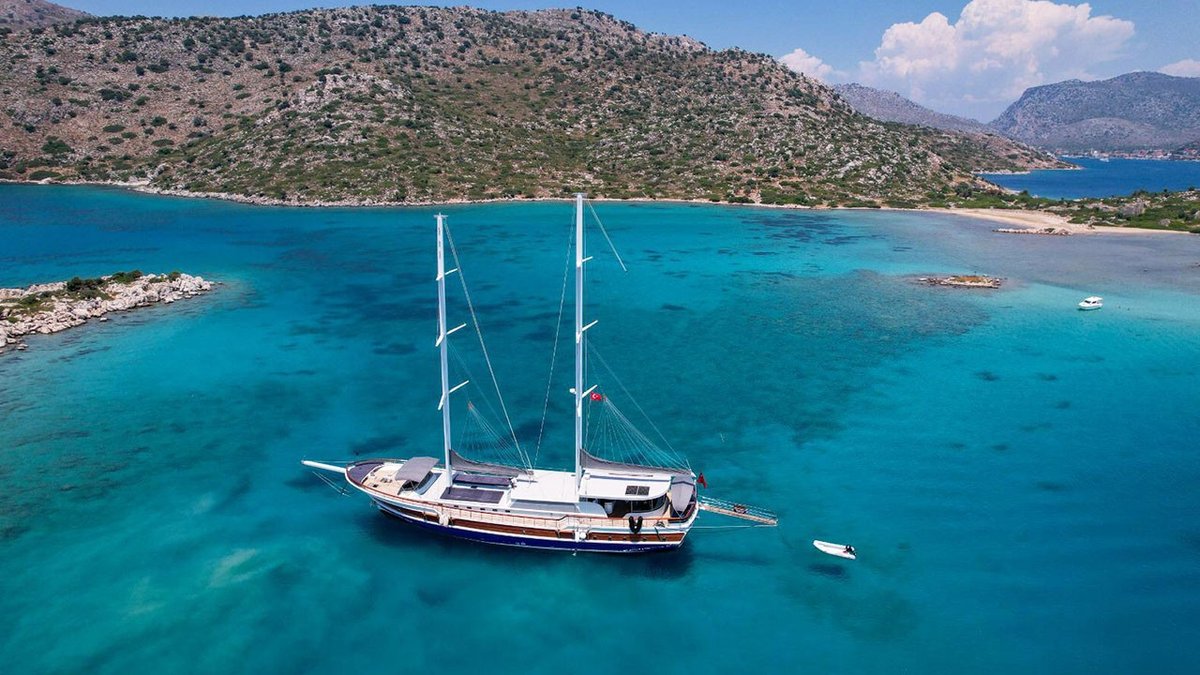
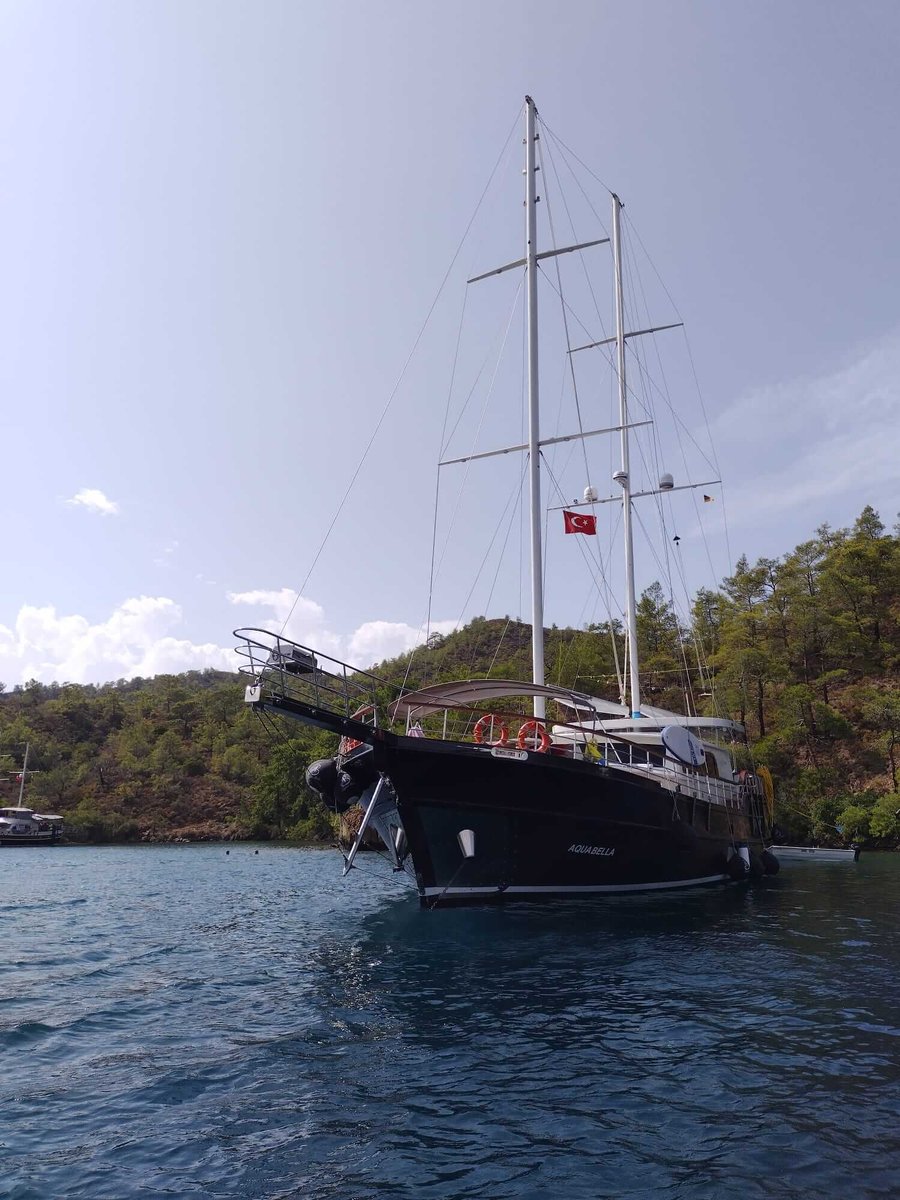
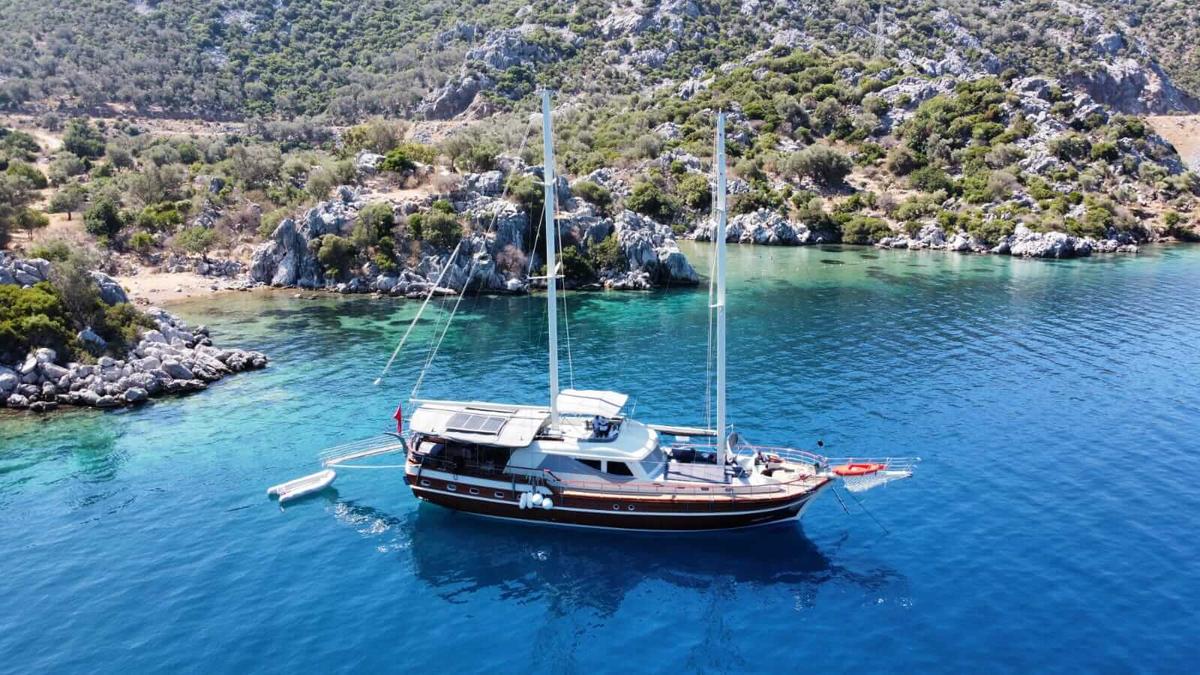
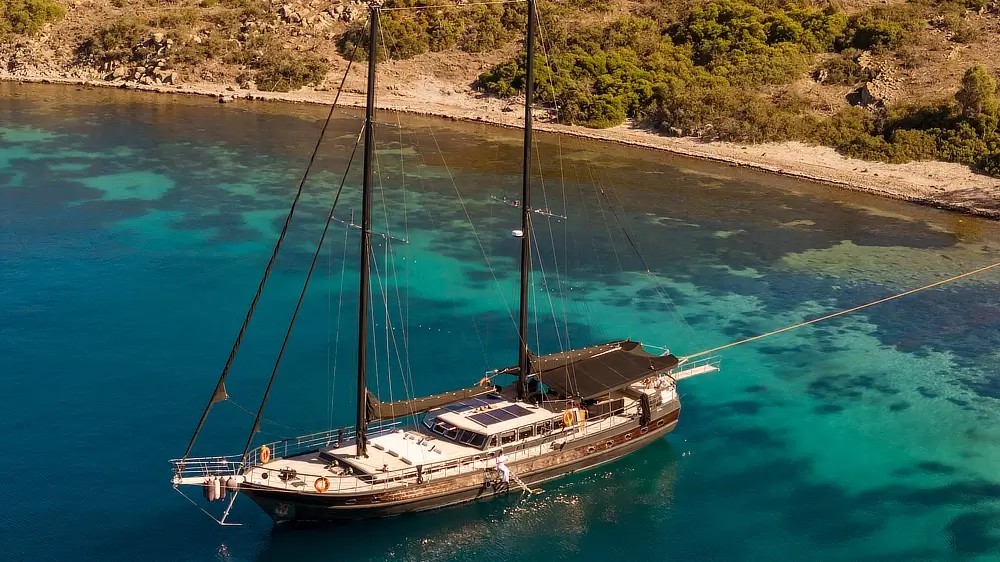
Real vessels at the accessible end of the fleet. Rates shown are indicative weekly figures before extras such as fuel, port fees and taxes.



FAQ
Frequently Asked Questions
Does renting a yacht mean I sail it myself?
Can I hire a crewed yacht for a single day?
What is a delivery or relocation fee, and when will I be charged one?
How much do I pay upfront to hold a yacht?
Which months are cheapest in the Mediterranean?
Start Planning
Get Your Charter Quote
Tell us about your dream charter and receive a bespoke proposal within 24 hours.